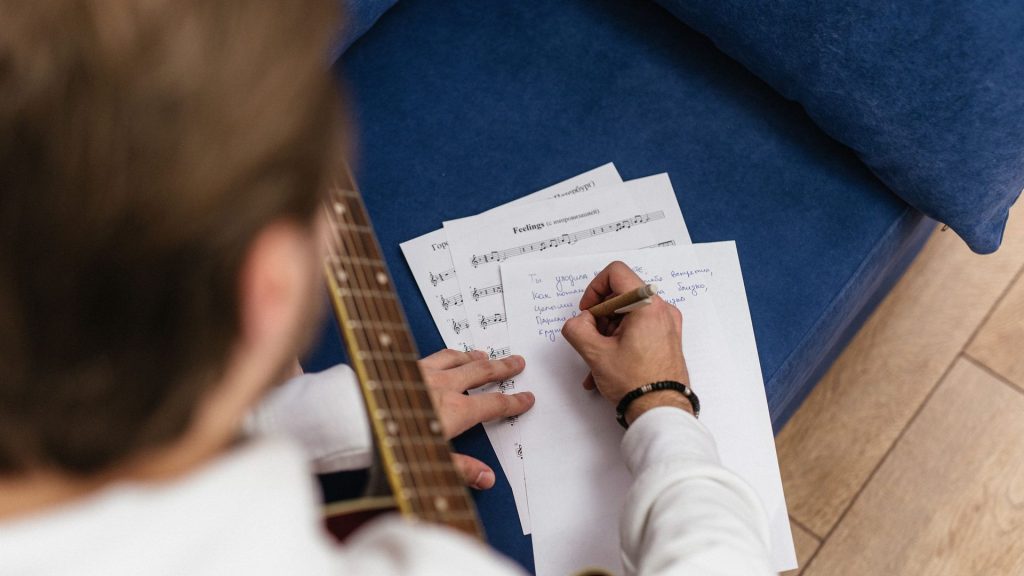
Songwriters block is one of the most frustrating experiences in music. You sit down with your instrument, open a notebook or a project, and nothing comes. Or ideas come, but every line feels wrong, every melody sounds like something you have already written and every half-finished song stays half-finished. The good news is that songwriters block is common, temporary and fixable. It is rarely a sign that you have lost your talent. Much more often it is a sign of pressure, habits, tiredness or a creative routine that needs a change. This guide explains what causes songwriters block and gives you fifteen practical techniques to start writing again, plus ways to build habits that make it less likely to return.
What Is Songwriters Block?
Songwriters block is a period when writing songs feels difficult or impossible. It can show up in different ways.
Common Forms
- Blank page block: You cannot start anything at all.
- Finishing block: You start many ideas but cannot complete them.
- Lyric block: Music comes easily, but words do not, or the other way around.
- Quality block: You write, but judge everything as not good enough.
- Repetition block: Everything you write sounds like your older songs.
Recognising which form you are facing helps you choose the right fix.
What Causes Songwriters Block?
Perfectionism
Expecting every idea to be brilliant from the start makes it hard to write anything. The inner critic arrives before the idea has a chance to develop.
Pressure and Expectations
Deadlines, comparison with other artists and worries about how a song will be received can all freeze creativity.
Burnout and Tiredness
Creativity needs energy. Long work hours, lack of sleep and stress drain the resources songwriting relies on. If you feel exhausted most of the time, read our guide on musician burnout.
Routine Fatigue
Writing in the same place, at the same time, with the same instrument and chord shapes can lead to predictable ideas and boredom.
Lack of Input
If you are not listening to new music, reading, watching or experiencing new things, you may run out of fresh material to draw from.
Overthinking the Process
Too much focus on rules and technique can get in the way of instinct and play.
15 Practical Ways to Beat Songwriters Block
1. Lower the Bar on Purpose
Give yourself permission to write something bad. Set a goal of writing a deliberately average verse in ten minutes. Removing the pressure to be great often frees ideas that are better than expected.
2. Write Every Day, Even Briefly
Short daily writing sessions keep the creative muscle active. Even ten minutes of lyrics, melodies or chord ideas counts. Consistency matters more than session length.
3. Use Creative Constraints
Limits spark creativity. Try writing a song with only two chords, in a new key, at an unusual tempo, under two minutes long or using only words of one syllable in the chorus.
4. Change Your Instrument
If you usually write on guitar, try piano, a synth, a drum machine or just your voice. A different instrument leads your hands and ears in new directions.
5. Change Your Environment
Write in a different room, outdoors, in a café or on a walk with a voice memo app. New surroundings bring new thoughts.
6. Start From a Title
Write down ten possible song titles quickly, then choose one and build the song around it. A strong title gives the song a clear direction.
7. Use Prompts
Prompts give you a starting point. Examples include describing a place from your childhood, writing a letter to someone you have lost touch with, telling a story from another person’s point of view or turning a line from a conversation into a hook.
8. Free Write Without Editing
Set a timer for ten minutes and write continuously without stopping or editing. Do not worry about rhymes or structure. Afterwards, look for interesting phrases and images to use.
9. Object Writing
Choose an everyday object and describe it for a few minutes using all your senses: sight, sound, smell, touch, taste, plus movement and feeling. This builds a habit of concrete, vivid language that makes lyrics stronger.
10. Revisit Old Ideas
Go back through old voice memos, notebooks and unfinished projects. An idea that did not work before may fit perfectly now. Keeping an idea library makes this much easier.
11. Study Songs You Love
Pick a song you admire and analyse its structure, chord progression, melody and lyrics. Then write a new song using a similar structure with your own content. This is a classic way to learn and is very different from copying.
12. Write With Someone Else
Collaboration brings new ideas, energy and accountability. A co-writer can push past the point where you would usually get stuck.
13. Focus on One Small Section
Instead of trying to write a whole song, focus only on a chorus hook, a single verse or a short instrumental riff. Small wins build momentum.
14. Feed Your Creativity
Listen to music outside your usual genres, read books and poetry, watch films and go to live shows. Fresh input leads to fresh output.
15. Take a Real Break
Sometimes the best fix is rest. A few days away from writing, with no guilt, can restore energy. Rest is especially important if your block is linked to tiredness or stress.
Matching Techniques to Your Type of Block
- Blank page block: Prompts, titles, free writing and lowering the bar.
- Finishing block: Deadlines, focusing on one section and collaboration. Our guide on how to finish songs goes deeper.
- Lyric block: Object writing, free writing, titles and reading.
- Quality block: Lowering the bar, writing daily and separating writing from editing.
- Repetition block: New instruments, constraints, studying other songs and new input.
Techniques for Melody Block
If words come easily but melodies feel stuck, try these approaches.
Sing Before You Play
Hum or sing melodies without your instrument. Your voice is not limited by familiar chord shapes or finger patterns, so melodies often feel more natural.
Change the Rhythm First
Keep the same notes but change the rhythm. Start phrases on an offbeat, use longer held notes or try a more conversational rhythm that follows how the words would be spoken.
Limit Your Notes
Write a melody using only three or four notes. Constraints force you to focus on rhythm and phrasing, which often makes melodies more memorable.
Contrast Sections
If your verse melody sits low, try a chorus that moves higher, or the opposite. Clear contrast between sections makes songs feel more alive.
Techniques for Lyric Block
Show, Do Not Just Tell
Instead of writing “I miss you,” describe a specific detail, such as the coffee mug still on the shelf. Concrete images make lyrics more personal and easier to write.
Use a Word Bank
Before writing, brainstorm a list of words, images and phrases connected to your song’s theme. Draw from this list as you write.
Loosen the Rhyme
Perfect rhymes can box you in. Try near rhymes and internal rhymes, or let some lines not rhyme at all.
Speak It First
Say what you want to express out loud, as if talking to a friend. Then shape the spoken words into lines.
A 30-Minute Session to Break the Block
When you feel completely stuck, follow this simple plan:
- Minutes 0 to 5: Listen to a song you love and note one thing you admire about it.
- Minutes 5 to 10: Free write about anything on your mind without stopping.
- Minutes 10 to 15: Write ten possible song titles quickly.
- Minutes 15 to 25: Choose one title and write a rough chorus, either lyrics, melody or both.
- Minutes 25 to 30: Record a quick voice memo of whatever you have and save it to your idea library.
The goal is not a finished song. It is to leave the session with something, however rough, which breaks the cycle of sitting down and producing nothing.
Using Gentle Deadlines
Open-ended writing time can make it easy to drift. Small, self-set deadlines, such as finishing a rough demo by Sunday or sharing a new verse with a trusted friend each week, give your writing direction without the pressure of a public release date.
Separate Writing From Editing
One of the most effective long-term fixes is to separate creating from judging.
Create First
During writing sessions, the goal is to generate material. Write freely, record everything and avoid judging ideas as they appear.
Edit Later
Schedule separate sessions to review, choose and improve ideas. With some distance, you will judge more fairly and find more value in rough ideas.
Keep Everything
Do not delete ideas you dislike. Archive them. They may become useful later.
Build Habits That Prevent Songwriters Block
Create a Writing Routine
A regular writing time builds a habit, so starting feels automatic rather than a big decision. Our guide to the songwriting process explains how to structure each session.
Capture Ideas Everywhere
Use voice memos and notes to capture melodies, lyrics and titles whenever they appear. A full idea library means you never start from nothing.
Set Small, Clear Goals
Goals like “write one chorus this week” or “finish one demo a month” are easier to act on than vague goals like “write more.”
Track Your Progress
Seeing how many sessions you completed or ideas you captured builds motivation and shows that progress continues even on slow days.
Protect Your Energy
Sleep, movement, time away from screens and time with people all support creativity. Our guide on mental health for musicians covers this in more detail.
Keep a Block Journal
When a block lifts, write down what helped. Over time this journal shows which techniques work best for you, so the next time you feel stuck you can go straight to your proven fixes instead of starting from scratch. Note the date, the type of block, what you tried and how long it took to start writing again. Patterns appear quickly.
When Songwriters Block Is Something Bigger
Sometimes a long creative block is linked to stress, low mood, anxiety or major life changes. If your block comes with persistent sadness, lack of interest in things you usually enjoy or exhaustion, it is worth talking to a doctor or mental health professional. Looking after your wellbeing comes first, and creativity often returns as you recover.
How MuziTask Helps You Write Consistently
MuziTask is a task manager made for musicians. You can set a recurring writing task, such as a ten-minute daily writing session or a weekly idea review, with a daily, weekly or monthly frequency. The Morning Brief reminds you what is on today’s list, Home Screen and Lock Screen widgets let you tick off the session in a tap, and each completed task earns XP, so small, steady writing habits feel rewarding.
Frequently Asked Questions
How do you get rid of songwriters block?
Lower your expectations for first drafts, write briefly every day, use prompts and constraints, change your instrument or environment, collaborate and make sure you are getting enough rest and fresh creative input.
How long does songwriters block last?
It varies. Many blocks pass within days or weeks, especially when you change your routine or reduce pressure. Longer blocks are often linked to stress or burnout and improve as you address the underlying cause.
Is songwriters block normal?
Yes. Almost every songwriter experiences periods when writing feels hard. It is a normal part of creative work, not a sign that you have lost your ability.
What are good songwriting prompts?
Describe a place from your childhood, write from another person’s point of view, write a letter to someone you have lost touch with or turn a phrase you overheard into a chorus hook.
Should I force myself to write when I have songwriters block?
Short, low-pressure writing sessions often help, because they keep you in the habit without demanding greatness. If you feel exhausted, though, a real break may be the better choice.
Can listening to other music help with songwriters block?
Yes. Listening actively to new artists, genres and eras gives your brain fresh ideas about melody, rhythm, structure and lyrics. Try noting one technique from each song you hear and using it in your next writing session.
Does co-writing help with songwriters block?
Often, yes. A co-writer brings different ideas and instincts, keeps the session moving when you would usually stop and adds a sense of accountability that makes finishing songs more likely.
Final Thoughts
Songwriters block feels permanent while you are in it, but it almost never is. Identify the type of block you are facing, try the techniques that match it and remove as much pressure as possible. Build habits that keep you writing regularly, capture ideas everywhere and protect your energy. With a steady routine, blocks become shorter and less frequent, and writing feels less like waiting for inspiration and more like a practice you can rely on.